
Making the Case for the Evaluation of Supervisors
Learning from those most structurally impacted by leadership

The Brief Case 📚→💼→📈→📊
Adult evaluation procedures at schools seem to be perpetually in flux. Schools tend to be unsatisfied with what they have, knowing they need an upgrade; engaged with a “perfect” process that they never quite complete; or somewhat ignoring the space altogether.
What most schools have in common, though, is that evaluation procedures tend to flow down — rather than up — the hierarchy, even if that hierarchy is somewhat muddy. Heads of School evaluate their leadership teams; those leadership teams evaluate their own teams; campus leadership evaluates department chairs; department chairs evaluate teachers; teachers evaluate students.
Count it as a win if any type of feedback structure operates with fidelity in your school. But also know this: such a structure likely leaves a lot of value on the proverbial table. Especially if it skips over the chance to model feedback practices that school leaders would want to see in the most important site of learning — the classroom. Evaluation systems also have potential benefits for morale, retention, and even hiring.
As Charlie Munger advised, it is often good to approach a problem or perceived truism by inverting it. For typical school evaluation protocols, addition by inversion is simple, if a mouthful: create access points for supervisors who supervise other supervisors to receive feedback about their performance from their direct reports and peers.
📚 The Learning Case for the Evaluation of Supervisors
Often, evaluation systems at schools wobble, if not fail, because teachers do not feel like their “bosses” are being held to any kind of accountability standards (true or not). Those same teachers are expected to evaluate their own direct reports, i.e., students, in highly consequential ways.
Put another way, making accountability for senior leaders more transparent helps you to tend to the larger business of learning. And: evaluation, feedback, and growth are important parts of learning. Maybe the most important parts. Any chance where we have to model such practices effectively — and to live them authentically — is worth consideration. Every chance we have to make clear the core, foundational, non-negotiable aspects of what we do — to produce learning more efficiently and effectively than it could otherwise be produced elsewhere — is an opportunity.
The ultimate learning case is one that causes a strong effect for students. All adults, up and down the hierarchy, should know what it feels like to be evaluated with grace, professionalism, and an enduring relationship at the core.
💼 The Business Case for the Evaluation of Supervisors
A good evaluation process becomes a system that helps the larger system of your school to improve itself. It also helps to uplift morale. Two things you would want to hear from a teacher entering into any kind of evaluation or feedback protocol are:
“We’re all in this together.”
And better yet:
“I have seen and experienced changes as a result of feedback I have offered to the school. So this process will ultimately be a good thing. Here, we all try to get better all the time.”
This ethos, whether voiced or not, will contribute to retention of the employees you want to retain. That is, they won’t be searching for greener pastures because, even if they are not completely happy with the current state of your school, they will see that there is a system that is inherently trying to improve the school.
Likewise, it will ensure proactive, rather than reactive, migration out of the school for those whose role or style is not currently working for the school’s current and future needs.
Last, being able to point to a system that not only performs, outwardly, the necessary evaluation function, but also produces desirable outcomes based on evaluation, helps your school to be authenticated by external evaluators. You want your accrediting body to be able to easily and painlessly sign off on this part of your work. More importantly, you want your parents and faculty and students (the folks who enroll in your school each year, by choice) to see that the system is capable of improving itself — again and again, in small ways and large.
📈 Return on Investment for the Evaluation of Supervisors
A hard truth of reviewing your school’s attrition numbers, whether for students or employees, is that not all attrition is bad. When considering attrition, therefore, make the distinction between desired and undesired. From there, a key retention metric should be based on the percentage of those whom you want to retain staying on. Of course you should also keep tabs on overall retention, as there are material financial and cultural impacts to high or high-fluctuating attrition.
A strong culture and system of supervisor evaluation should impact your retention of those teachers and staff that you want to retain. Within such a system, the effort to solicit feedback from direct reports can be minimal
Design a form
Deliver the form
Collect results
Review results
This procedure can be standardized, so the startup cost does not reflect the ongoing cost to maintain and improve these steps. Tie the measurement of your supervisor-evaluation system to the financial costs of hiring replacement employees.
📊 Return on Learning for the Evaluation of Supervisors
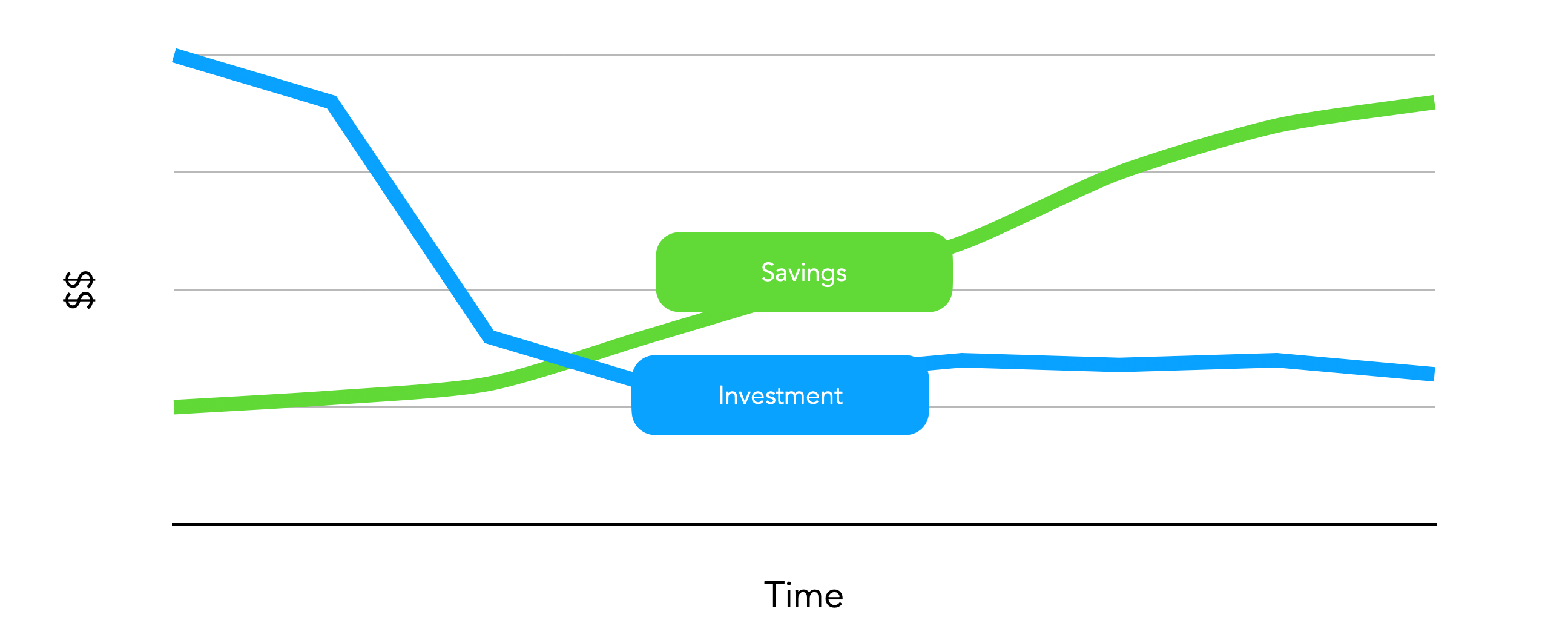
You create a culture of feedback and development when accountability for performance and growth exists from top to bottom. As a result, your school will better amplify good leadership practices and mediate (or move on from) the not so good. When they feel like they are a part of a broad, stable system that does not just put eyes on them, teachers will embrace and trust the evaluation system (and put more into it / get more out of it).
Avoid the reactive misstep of many schools where they question or evaluate the performance of a supervisor only when there is a problem. Having a proactive, predictable approach to asking about supervisor performance should have a direct impact on employee morale.

Another, perhaps under-recognized, measure for your hiring process is to track employee referrals. (NB: this is very much aligned with the philosophy behind Net Promoter surveys for which we have advocated in the past.) Whenever there is an opening, your current community can be a strong support for recruiting if they believe in what the school is doing. When your employee base is built around people who value and thrive in settings of accountability, they will tap into their networks for folks suggesting, “THIS is the place you want to work.”
One caveat: make sure the law of “like begets like” is working in the direction that you want it to. Workplaces that have a reputation for being ‘easy’ and ‘mediocrity-accepting’ also have their advocates. Folks who thrive (i.e., are comfortable) in such a setting may tell their network, either directly or indirectly, “Hey - you should work here. It’s a piece of cake if you just stay under the radar.” Evaluate away from such entropy whenever possible.